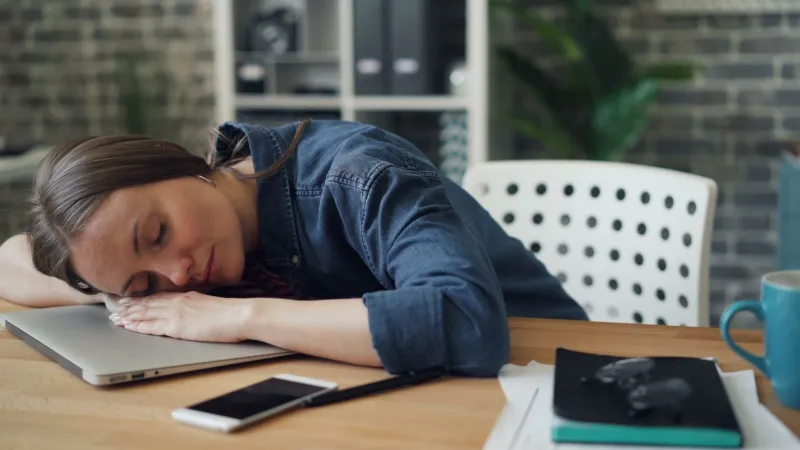
Are We Lonelier Than Ever? Why Human Connection Might Be the Missing Piece in Your Wellbeing Puzzle
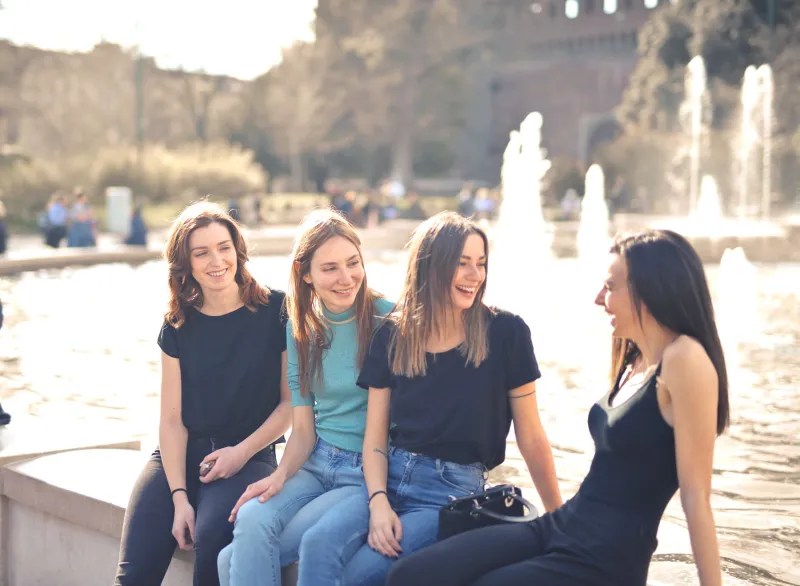
Picture the classic image of a healthy lifestyle: a morning run through the park, a colourful plate of vegetables, eight hours of solid sleep. These are the pillars we're constantly told to build our lives around. And they matter, genuinely. But there's something quietly missing from that picture — something that researchers and health experts are increasingly calling just as vital as any of those habits.
Human connection.
Britain is, by many measures, in the grip of a loneliness crisis. A 2023 report from the Campaign to End Loneliness found that more than nine million adults in the UK frequently feel lonely. That's not a niche problem — that's roughly one in six people. And while loneliness has long been dismissed as an emotional inconvenience, the science tells a far more alarming story.
The Physical Toll of Feeling Disconnected
Here's the bit that tends to stop people in their tracks: loneliness isn't just bad for your mood. It's bad for your body.
Research from Brigham Young University found that social isolation is associated with a 29% increased risk of heart disease and a 32% increased risk of stroke. Professor Julianne Holt-Lunstad, one of the leading researchers in this field, famously compared the health impact of chronic loneliness to smoking 15 cigarettes a day — worse, in fact, than obesity.
When we're socially isolated, our nervous systems can shift into a low-level threat response. Cortisol levels creep up. Inflammation increases. Sleep quality drops. Over time, these physiological changes accumulate, quietly wearing down the body in ways that no amount of kale or kettlebell swings can fully offset.
The message isn't that exercise and nutrition don't matter — they absolutely do. It's that connection belongs in the same conversation.
Why Modern British Life Makes This So Hard
So why are so many of us struggling to maintain meaningful relationships? The honest answer is that the structure of modern life in Britain isn't particularly designed for it.
We work longer hours than almost anywhere else in Europe. We've seen a steady decline in the kinds of community anchors — local pubs, churches, civic clubs — that once served as natural gathering points. Remote and hybrid working, while genuinely beneficial in many ways, has removed the casual daily interactions that quietly sustained people without them even realising it. And then there's social media: endlessly scrolling through curated highlights of other people's lives, mistaking passive consumption for actual connection.
Younger generations are particularly affected. Counterintuitively, it's not elderly people living alone who report the highest rates of loneliness in the UK — surveys consistently show that adults aged 16 to 24 are among the loneliest groups in the country. Growing up with smartphones as a primary social tool has left many people technically connected but emotionally adrift.
What Genuine Connection Actually Looks Like
It's worth being clear here: not all social interaction is created equal. Scrolling through someone's Instagram or sending a quick WhatsApp doesn't quite deliver the same wellbeing benefits as sitting across from a friend and having a real conversation.
Research distinguishes between what psychologists call "weak ties" (acquaintances, colleagues, the barista who remembers your order) and "strong ties" (close friends, family, intimate partners). Both matter for wellbeing, but in different ways. Weak ties give us a sense of belonging to something larger — a neighbourhood, a workplace, a community. Strong ties provide the deeper emotional sustenance that buffers us against stress and hardship.
The goal, then, isn't just to be around more people. It's to cultivate relationships that feel real and reciprocal.
Practical Ways to Rebuild Your Social World
If you've noticed yourself feeling more isolated — whether after a house move, a break-up, a period of burnout, or simply the slow drift of busy adult life — here are some genuinely useful places to start.
Join something local with a recurring rhythm. One-off events are lovely, but they rarely build lasting bonds. What tends to work better is showing up to the same place, with the same people, week after week. A running club, a book group, a five-a-side football team, a community choir — the activity itself matters less than the regularity. Familiarity breeds connection.
Look at what already exists around you. Platforms like Meetup, Nextdoor, and local Facebook groups are full of community activities that fly under the radar. Many UK councils also run social prescribing programmes, where GPs can refer patients to community activities specifically designed to reduce isolation. It's worth asking at your surgery.
Invest in your workplace relationships. For those who work in an office or hybrid setting, colleagues represent a genuinely underutilised source of connection. Not every work friendship needs to become a deep bond, but taking time for a proper lunch away from your desk or checking in on someone beyond the transactional can make a real difference — for them and for you.
Be the one who reaches out. This sounds simple, but loneliness has a nasty habit of making us feel like a burden, which stops us from initiating contact. The research on this is reassuring: studies show that people consistently underestimate how much others appreciate being contacted. Send the message. Make the call.
Consider volunteering. Volunteering is one of the most consistently evidence-backed routes to improved wellbeing in the UK. It provides structure, purpose, and regular contact with others. Whether it's helping at a food bank, mentoring young people, or supporting a local conservation project, giving your time tends to give something back.
Reframing Connection as a Health Habit
Perhaps the most useful shift is a simple reframe: start treating connection the way you treat exercise. Something you schedule. Something you protect. Something you don't skip just because you're tired or busy.
We're fairly good, as a culture, at feeling guilty when we miss the gym. We're less practised at recognising that cancelling on a friend for the third time, or spending another weekend entirely alone, might also be costing us something.
That's not about piling on more pressure — it's about expanding what we understand "looking after ourselves" to actually mean. A walk with a friend, a phone call with a sibling, a conversation with a neighbour: these aren't frivolous extras. According to the evidence, they're medicine.
Britain may be in the grip of a loneliness epidemic, but it's one we have more agency over than we might think. The antidote isn't complicated, even if it does require a little courage. Reach out. Show up. Stay curious about the people around you.
Your heart — quite literally — will thank you for it.