Are You Waking Up at 5am for Your Health — or Someone Else's?
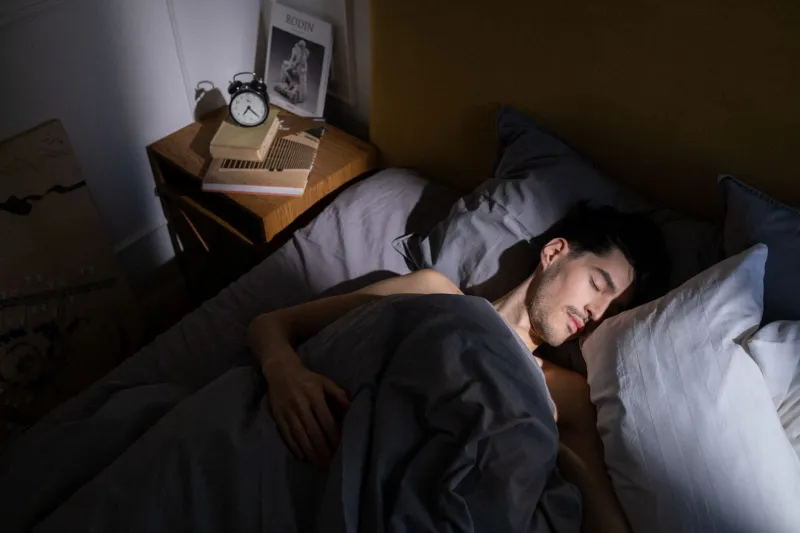
Scroll through any UK fitness influencer's feed and you'll spot a familiar pattern. Pre-dawn alarm. Dark streets. A gym session completed before most people have even considered opening their eyes. The 5am workout has become less of a personal choice and more of a cultural shorthand for discipline, ambition, and — crucially — being serious about your health.
But here's an uncomfortable question worth sitting with: what if all that early rising is quietly making you worse off?
The Chronotype Problem Nobody's Talking About
Your chronotype is essentially your body's built-in preference for when to sleep, wake, and peak in terms of energy and cognitive function. It's not laziness, and it's not a mindset issue — it's biology. Researchers broadly categorise people into morning types (often called "larks"), evening types ("owls"), and those who fall somewhere in the middle.
Here's the bit that tends to surprise people: only around 25% of the population are genuine morning types. The majority sit somewhere in the middle, and a significant chunk are naturally wired to feel alert later in the day. Yet the wellness industry — and much of UK workplace culture, for that matter — is built almost entirely around the assumption that everyone thrives at 6am.
When you repeatedly override your natural sleep-wake cycle to hit the gym before sunrise, you're not just tired. You're potentially disrupting the hormonal rhythms that govern everything from your mood and metabolism to your immune function and recovery capacity. That's not a minor inconvenience. That's your wellbeing taking a hit in the name of wellness.
What Sleep Deprivation Actually Does to Your Body
Let's be blunt about something: if your 5am gym routine means you're consistently getting fewer than seven hours of sleep, you are sleep deprived. Full stop. And the research on sleep deprivation is not kind.
Chronic short sleep is linked to elevated cortisol (your stress hormone), impaired glucose regulation, reduced muscle protein synthesis — which rather defeats the point of the gym session — and a measurable decline in mental health. A 2023 study from University College London found that adults sleeping fewer than five hours per night were significantly more likely to report symptoms of anxiety and depression than those getting seven or more hours.
So if you're sacrificing sleep to exercise, you may be trading one pillar of health for another. And sleep, frustratingly, tends to be the one that loses.
The Social Pressure Behind the Alarm Clock
It's worth being honest about why so many of us have signed up to the early morning routine in the first place. For a lot of people in the UK, it's not because 5am genuinely suits them — it's because they've absorbed the message that it should.
The "rise and grind" narrative is everywhere, from LinkedIn posts celebrating 4:45am starts to podcast hosts crediting their 5am habit with every professional and personal success they've ever had. There's a subtle but powerful implication that if you're not doing this, you're not really trying.
That kind of social pressure isn't neutral. It creates guilt and shame around rest, pathologises sleeping in, and encourages people to treat their bodies as productivity machines rather than living systems with genuine needs. From a mental health perspective, that's a pattern worth examining.
What the Science Actually Recommends
The good news — and there is good news — is that the benefits of exercise are not time-stamped. Multiple studies have confirmed that the health advantages of regular physical activity are largely independent of when you do it. What matters far more is consistency, effort, and recovery.
In fact, some research suggests that afternoon and early evening exercise may offer specific advantages for certain people, including improved performance, better thermoregulation, and stronger strength outputs. A 2022 study published in the journal Nature Communications found that evening exercise was particularly beneficial for metabolic health in individuals who described themselves as evening types.
The takeaway isn't that mornings are bad. For genuine larks, an early session can absolutely work beautifully. The takeaway is that the best time to exercise is the time that fits your natural rhythms, your sleep schedule, and your actual life — not the time that looks most impressive on social media.
Finding Your Own Rhythm
So how do you figure out what works for your body rather than someone else's blueprint? A few practical starting points:
Pay attention to your natural wake time. On days when you have no alarm — a weekend, a holiday — what time do you naturally open your eyes feeling rested? That's useful data about your chronotype.
Track your energy across the day. For a week or two, note when you feel most alert, most motivated, and most capable of physical effort. Patterns will emerge. Build your movement around those windows where possible.
Protect your sleep before your schedule. If getting to the gym at 6am means you're in bed by 9:30pm and sleeping soundly for seven-plus hours, brilliant. If it means you're surviving on six hours and feeling wretched by Thursday, something needs to change.
Ditch the all-or-nothing thinking. A 30-minute lunchtime walk, an evening yoga session, or a weekend run all count. Exercise doesn't have to happen before the sun rises to be valid or effective.
Be wary of routine for routine's sake. Consistency matters, yes — but a rigid schedule that ignores how your body actually feels on a given day can tip into rigidity that causes more stress than it relieves.
A More Honest Approach to Wellness
The version of health that the wellness industry often sells us is oddly uniform. Same wake time, same green smoothie, same gym format, same aspirational aesthetic. But human bodies are not uniform, and pretending otherwise isn't wellness — it's performance.
Real wellbeing looks different from person to person. It's built on sleep, movement, nourishment, and mental health practices that are genuinely sustainable for you, in your specific life, with your specific biology. Sometimes that includes a pre-dawn gym session. Sometimes it really, genuinely doesn't.
The most radical thing you might do for your health this year isn't setting an earlier alarm. It might be giving yourself permission to stop treating someone else's routine as the gold standard — and actually listening to what your own body is asking for instead.
That's not laziness. That's just good science.