When Your Health Kick Starts Hurting the People Around You

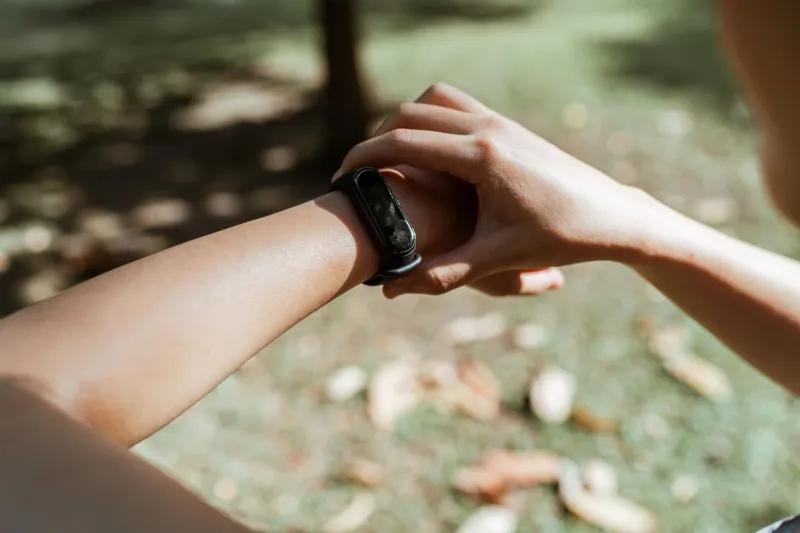
There's a moment a lot of us recognise. You've finally committed to the routine — the 6am runs, the meal prep Sundays, the alcohol-free weekdays. You feel brilliant. Clear-headed, energised, proud of yourself. And then your best mate texts to say everyone's heading to a curry house on Friday, and instead of feeling excited, you feel... stressed.
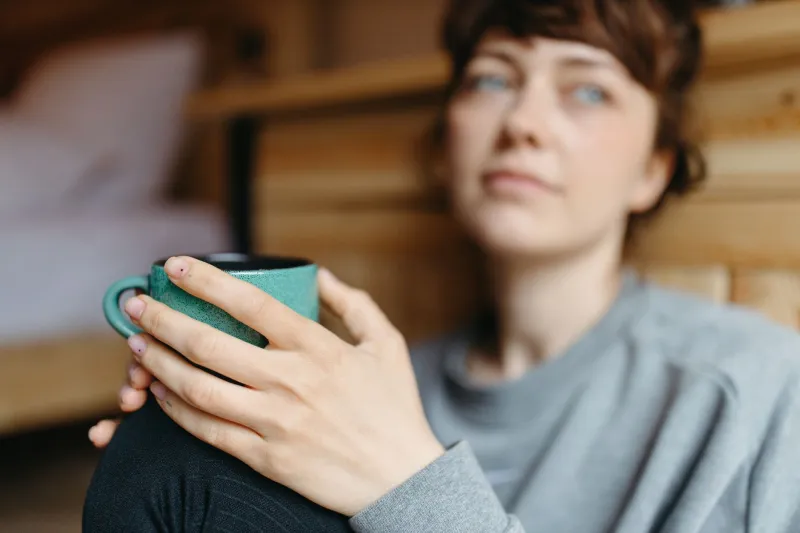
Welcome to the wellness paradox: the strange place where the habits designed to make your life better start quietly making it smaller.
The Slow Drift Nobody Talks About
Most people don't notice it happening at first. You decline one leaving do because it clashes with your rest day. You suggest swapping the Sunday roast for something "a bit lighter." You start mentally calculating the macros in your mum's shepherd's pie before you've even sat down.
Individually, none of these things seem like a big deal. But over time, they add up — and the people around you start to feel it.
Sarah, a 34-year-old teacher from Bristol, describes the slow unravelling of her relationship during what she calls her "wellness era." "I got really into clean eating after a tough year," she says. "But my partner started feeling like every meal was a negotiation. Date nights stopped being fun. He told me he felt like he was always failing some kind of test he hadn't signed up for."
Her story isn't unusual. Relationship therapist and counsellor Donna Haworth, who works with couples across the Midlands, says she's seen a notable rise in clients where one partner's health obsession has become a genuine source of friction. "The person pursuing wellness often genuinely doesn't see the impact," she explains. "They think they're just making good choices. But their partner feels judged, excluded, or like they're constantly an inconvenience to someone else's goals."
When Personal Becomes Political
Food, in particular, is a minefield. In the UK, so much of our social and family life revolves around eating together — birthday teas, Sunday lunches, work dos, the pub. When one person's dietary rules become the lens through which every shared meal is viewed, it can turn something that should be joyful into something loaded.
And it's not just romantic relationships. Parents who follow strict nutritional protocols sometimes find themselves at odds with grandparents, siblings, or school friends' families. Friends who've gone sober-curious can feel alienated from social circles where drinking is the default glue. Even gym routines, if they're rigid enough, can erode the spontaneous moments that make friendships tick — the impromptu weekend away, the lazy bank holiday barbecue, the staying up too late because the conversation is just too good.
Wellness coach and author Jamie Clifford puts it plainly: "Health is supposed to serve your life, not replace it. When someone starts organising their entire existence around their routine, they've flipped the purpose of it. Your relationships are part of your health. Full stop."
The Subtle Judgement Problem
There's another layer here that's worth being honest about. Sometimes — not always, but sometimes — the rigidity isn't just about personal discipline. It carries an implicit message to the people around you: I'm doing this right, and you're not.
You might never say it out loud. But when you push your plate away at a family dinner, or raise an eyebrow at your friend ordering dessert, or explain at length why you can't just "have one" — people feel it. The unspoken comparison. The quiet disapproval dressed up as self-care.
Donna Haworth is direct about this. "Sometimes what looks like a health routine is partly about identity and control," she says. "And when that identity is built around being 'the healthy one,' other people's different choices can feel threatening — so you either avoid those situations or you try to subtly change everyone else. Neither is great for relationships."
Finding the Balance (Without Abandoning Your Goals)
None of this means you should ditch your goals or pretend your health doesn't matter. It absolutely does. But there are ways to hold your commitments more lightly — without them holding you hostage.
Build in flexibility from the start. Rather than treating every deviation as a failure, try designing your routine with social life already accounted for. Two rest days a week instead of one. A "free" meal that you genuinely enjoy without the mental audit. This isn't weakness — it's sustainability.
Separate your choices from other people's. You don't have to eat the cake. But you also don't have to comment on the fact that everyone else is. Your choices are yours. Other people's are theirs. Holding that boundary — in both directions — is a form of respect.
Talk about it before it becomes a problem. If your routine is changing how you show up in a relationship, have the conversation early. Not defensively, but openly. Something like: "I know I've been a bit rigid lately — I don't want that to get between us. Can we figure out something that works for both of us?" goes a long way.
Ask yourself what you're actually optimising for. Genuinely. Is the goal to live a longer, richer, more connected life? Or has the routine become the goal itself? There's a difference between being healthy and being obsessed with being healthy — and it's worth checking in on which one you're doing.
What Actual Balance Looks Like
Sarah from Bristol eventually found her way through. "I had to step back and ask myself what I was actually afraid of," she reflects. "It turned out the control around food was masking a lot of anxiety. Once I started working on that, the rigidity loosened naturally. I still eat well and exercise — but I can also go for a curry on a Friday without it ruining my week."
Her relationship recovered too. "We started cooking together again," she says. "That was the turning point, actually. Food became something shared rather than something I was managing alone."
That's perhaps the most important reframe of all. Wellbeing isn't a solo project. The people in your life — the messy, imperfect, occasionally cake-eating people — are part of what makes you well. Connection, laughter, spontaneity, the willingness to let a plan go occasionally because something better came up: these things don't undermine your health. They're a huge part of it.
A routine that costs you your relationships isn't a wellness win. It's just a different kind of loss.
If you're finding that anxiety around food, exercise, or health routines is affecting your daily life or relationships, speaking to a GP or a registered therapist is a good first step. You can also find support through the NHS Talking Therapies service.