Ticking Every Box and Still Feeling Terrible: The Hidden Cost of Looking Healthy

When the Numbers Don't Add Up
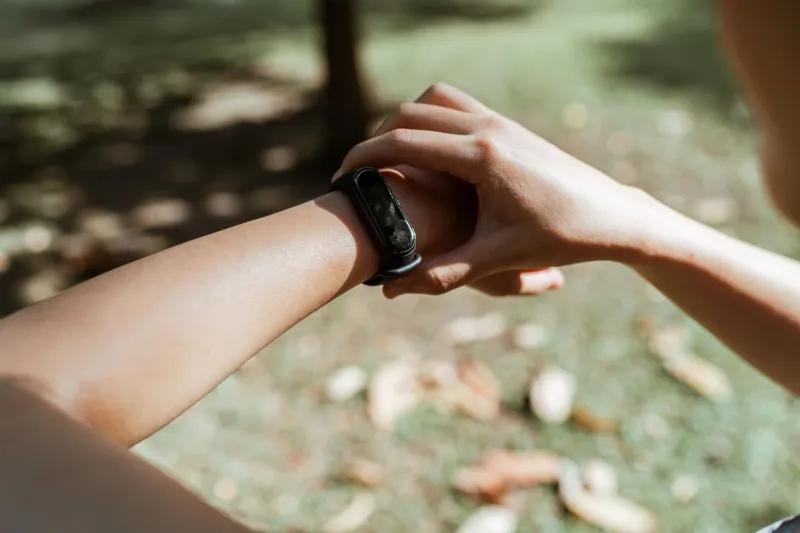
You've nailed the morning routine. The sleep tracker says 7.5 hours with 90 minutes of deep sleep. Breakfast was overnight oats with chia seeds. You hit 10,000 steps before lunch. By every measurable standard, you're the picture of wellness.
And yet — you feel awful.
Not dramatically unwell, not ill in any way a GP would flag. Just... flat. Tired in a way that sleep doesn't fix. Going through the motions of a healthy life while wondering why none of it seems to be working.
If this sounds familiar, you're not imagining things, and you're certainly not alone. Across the UK, more people than ever are investing serious time, money, and energy into their health — and still finding themselves depleted. This isn't a failure of effort. It's something far more interesting, and a little more uncomfortable, than that.
The Performance of Wellness
Here's the thing nobody really wants to say out loud: for a lot of us, wellness has quietly shifted from something we feel into something we perform.
We live in a culture that rewards the appearance of health. Instagram feeds full of colour-coded meal preps. Strava segments. Before-and-after photos. Wellness has become, in many ways, a social currency — and the more visible your habits, the more value they seem to carry.
The problem is that your nervous system doesn't care how your lifestyle looks on paper. It doesn't care that your macros are balanced or that your running pace has improved. What it responds to is your actual lived experience — the stress you carry, the pressure you put on yourself, the way you speak to yourself when you miss a workout or eat something that wasn't on the plan.
When healthy habits become obligations rather than choices, they stop being nourishing. They become another item on an already exhausting to-do list.
Stress Is the Variable You're Not Tracking
One of the most overlooked reasons people feel worse despite living 'healthily' is chronic background stress. Not the dramatic, obvious kind — the low-level, persistent kind that hums along quietly beneath the surface of a busy modern life.
Cortisol, the body's primary stress hormone, is remarkably good at undermining every wellness effort you make. It disrupts sleep quality even when sleep duration looks fine. It interferes with digestion, blunts the mood-boosting effects of exercise, and keeps the body in a state of subtle but constant alert. You can eat the cleanest diet in the world, but if you're running on stress, your body is still in survival mode.
For many UK adults juggling demanding jobs, financial pressures, family responsibilities, and the relentless pace of modern life, stress isn't an occasional visitor — it's practically a housemate. And no amount of green smoothies will evict it.
Perfectionism Dressed Up as Self-Care
There's another culprit worth examining: perfectionism. It has a particular talent for disguising itself as dedication.
When your approach to wellness becomes rigid — when missing a gym session triggers guilt, when eating 'off plan' ruins your week, when rest feels like laziness — you're not practising self-care. You're practising self-surveillance. And that is genuinely exhausting.
Research consistently links perfectionism with higher levels of anxiety, burnout, and psychological distress. The relentless pursuit of an idealised version of health creates a moving goalpost. You reach one target and immediately set another, never quite arriving at the feeling you were chasing in the first place.
This is where the paradox deepens. The very drive that pushes you to pursue better health can, if left unchecked, become the thing that undermines it.
What Your Body Is Actually Telling You
Feelings of depletion, even when life looks good on paper, are worth paying attention to rather than pushing through. Your body isn't broken. It's communicating.
Persistent fatigue that doesn't respond to rest can be a sign of emotional exhaustion. A vague sense of joylessness despite 'doing everything right' can point to disconnection — from your own needs, your relationships, or a sense of purpose. Physical symptoms like tension headaches, digestive issues, or poor sleep quality despite adequate hours in bed are often the body's way of flagging that something in the system is off.
None of this means your healthy habits are worthless. It means they might be incomplete — focused on the physical while neglecting the emotional and psychological dimensions of genuine wellbeing.
Closing the Gap: Practical Ways to Reconnect
So how do you move from the appearance of wellness to the actual felt experience of it? A few places to start:
Audit your habits for joy, not just function. Ask yourself honestly: do I actually enjoy this, or am I doing it because I feel like I should? There's room for both in a balanced life, but if everything feels like a chore, something needs to shift.
Build in genuine rest — not productive rest. There's a growing tendency to 'optimise' downtime with meditation apps, journalling prompts, and recovery tools. Sometimes what the nervous system needs is simply permission to do nothing useful at all. A walk without a podcast. An evening with no agenda.
Notice how you talk to yourself. The internal monologue around health habits matters enormously. Harsh self-criticism after a 'bad' food day or a skipped workout creates a stress response that counteracts the benefits of the healthy choices you do make. Compassion isn't weakness — it's actually more effective.
Widen your definition of wellbeing. Connection, creativity, laughter, time in nature, a sense of meaning — these aren't optional extras bolted onto a foundation of clean eating and exercise. They are the foundation. If they're missing, no number of steps or sleep hours will fully compensate.
Talk to someone. If the gap between how your life looks and how you feel has been persistent for a while, it's worth speaking to your GP or a mental health professional. What can feel like a wellness puzzle sometimes has roots in anxiety, depression, or burnout that deserve proper support.
The Point Isn't to Stop Caring
None of this is an argument against looking after your physical health. Sleep, movement, and nutrition genuinely matter. The point is that they work best when they're part of a broader picture — one that includes emotional honesty, manageable expectations, and a willingness to measure your wellbeing by how you actually feel, not just how your habits look from the outside.
The goal was never to be the most optimised version of a healthy person. It was to feel well. And sometimes, getting there means loosening your grip on the metrics and asking a simpler, more honest question: how am I, really?
That question might be the most important wellness practice of all.